How to Choose a Commercial Vehicle Upfitter for Your Fleet
Thursday, August 27, 2026
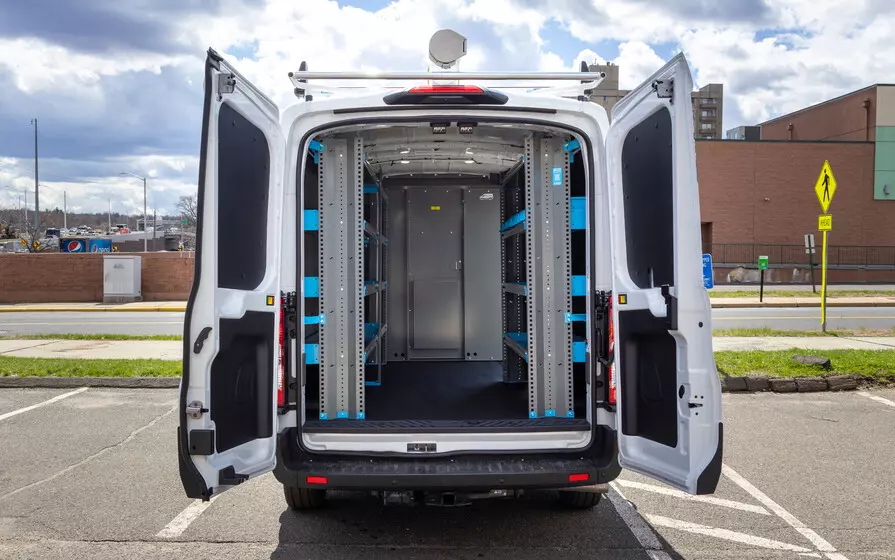
A commercial vehicle upfitter can have a lasting effect on how efficiently a fleet operates. The right company does more than install shelving, racks, or storage equipment. It helps design vehicles around the work your employees perform, the tools and materials they carry, and the way they access that equipment throughout the day.
For fleet managers, the decision also extends beyond the first vehicle. A successful upfit should be durable, practical, and repeatable as new vehicles are added or older ones are replaced. Choosing a company with the right experience, process, and capacity can make it easier to maintain consistency throughout the fleet.
Here are the most important factors to consider when selecting a commercial vehicle upfitter.
Look for Experience With Commercial Fleets
Installing equipment in one work vehicle and coordinating a fleet upfit require many of the same technical skills, but fleet projects involve additional planning. The upfitter may need to manage several vehicles, maintain a consistent specification, coordinate equipment availability, and schedule installations around vehicles that are already in service.
Start by asking whether the company regularly works with commercial fleets and businesses in your industry. An upfitter familiar with contractors, service companies, delivery operations, municipalities, and other commercial customers will have a better understanding of how much businesses depend on their vehicles each day.
Experience with your vehicle platforms is also important. Commercial fleets can include cargo vans, pickup trucks, and mixed makes or models. The upfitter should understand how different roof heights, wheelbases, payload needs, door configurations, and cargo areas affect the available equipment and layout.
Make Sure the Upfit Is Designed Around the Work
An effective commercial upfit starts with how the vehicle will actually be used. A standard package can provide a useful starting point, but it still needs to support the tools, materials, and responsibilities of the people working from the vehicle.
A qualified upfitter should ask questions such as:
-
What tools and materials will the vehicle carry?
-
Which items need to be reached most frequently?
-
Will employees primarily work from the side door, rear doors, or truck bed?
-
Are long materials, tanks, conduit, ladders, or specialized equipment involved?
-
Does the vehicle need additional lighting, security, or driver-safety equipment?
-
Will several employees share or rotate between vehicles?
-
Are there plans to expand the fleet or add equipment later?
These details help determine the right combination of shelving, partitions, drawers, cabinets, ladder racks, flooring, lighting, and other equipment. They also help prevent a fleet from investing in a layout that looks organized but does not fit the way employees work.
Ask How Fleet Builds Are Documented
Consistency is one of the most important parts of a multi-vehicle upfit. When vehicles are laid out similarly, employees can locate tools and supplies more easily, even when moving from one vehicle to another. A documented specification also makes it easier to add replacement vehicles without having to redesign the entire upfit.
Ask prospective upfitters how they record the equipment and layout used in each vehicle. Product lists, installation details, and photographs can all help create a reliable reference for future builds.
At CT Truck & Van, we document the equipment included in each fleet upfit and photograph the vehicle before, during, and after the installation. This creates a product and visual record that can be reviewed when the next vehicle arrives, helping our team reproduce the approved configuration as closely as the vehicle platform allows.
Documentation is especially useful when a fleet is expanded over time. Even if the next vehicle has a different model year or body configuration, the established build provides a clear starting point for adapting the layout while preserving the overall organization of the fleet.
Consider Product and Vehicle Compatibility
Commercial equipment is not one-size-fits-all. A shelving package designed for a Ford Transit may require a different configuration in a Ram ProMaster, Mercedes-Benz Sprinter, Chevrolet Express, or GMC Savana. Pickup trucks introduce another set of considerations involving bed length, caps, tonneau covers, toolboxes, racks, and cargo access.
Working with an upfitter that offers equipment from multiple commercial manufacturers provides more flexibility. It allows the layout to be selected based on the vehicle, daily workload, storage requirements, durability, and budget instead of forcing every fleet into a limited product offering.
CT Truck & Van installs commercial equipment from manufacturers including Adrian, Ranger Design, Holman, Prime Design, Legend Fleet Solutions, WEATHER GUARD, and others. Our team can compare available options and help determine which products make the most sense for the vehicle and application.
Fleet managers should also ask whether the selected equipment can be supported on future vehicles. Product availability and vehicle compatibility can change over time, so the upfitter should have a process for identifying an appropriate replacement when the original equipment or configuration is no longer available.
Discuss Scheduling and Vehicle Downtime
Every vehicle taken out of service affects the operation in some way. The amount of time required for an upfit depends on the number of vehicles, equipment availability, installation complexity, and level of customization. These factors should be discussed before vehicles begin arriving.
A capable fleet upfitter should be able to develop a schedule that supports a steady flow of vehicles instead of requiring the entire fleet at once. Equipment can often be selected and ordered in advance, allowing installation to begin when each vehicle becomes available.
CT Truck & Van offers vehicle pickup and delivery for fleet customers. This service helps businesses rotate vehicles through the upfitting process without coordinating every individual drop-off and pickup. As one completed vehicle is returned, another can be brought to our facility, helping maintain a steady installation schedule while part of the fleet remains in service.
Before selecting an upfitter, ask:
-
How are multi-vehicle projects scheduled?
-
Can installations be staggered?
-
Can equipment be ordered before the vehicle arrives?
-
What factors could affect the projected schedule?
-
Is vehicle pickup and delivery available?
-
How will schedule changes or product delays be communicated?
Clear expectations at the beginning of the project make it easier for the fleet manager and the upfitter to plan around the same timeline.
Evaluate Quality Control and Communication
Matching fleet vehicles requires more than installing the same products. Equipment placement, assembly, fit, and final inspection all contribute to the consistency of the completed build.
Ask how the company reviews its work and confirms that each vehicle matches the approved specification. Photographs taken throughout the installation can help verify equipment placement and provide a record of areas that may no longer be visible after the build is complete.
Communication is equally important. Fleet managers should know who is overseeing the project, how changes will be approved, and when they will receive updates. If an equipment or vehicle issue affects the original plan, the upfitter should explain the situation and available options before making a change.
Think Beyond the First Group of Vehicles
Fleet needs change over time. Vehicles are added, replaced, reassigned, or updated as the business grows. An upfitter that maintains accurate records and understands the original goals of the project can make future builds easier to plan.
Long-term support can include reproducing an existing specification, adapting it to a newer vehicle, replacing damaged equipment, or adding accessories to vehicles already in service. Fleet managers should ask how project records are maintained and what support is available after installation.
The company itself should also have the capacity to support the relationship. CT Truck & Van combines the personal attention of a family-owned business with more than 30 years of experience and a brand-new commercial upfitting facility in Newington, Connecticut. The facility provides additional installation bays, a larger and more efficient workspace, increased parking and staging space, and better accommodation for trucks, vans, and larger vehicles.
That combination gives fleet customers direct access to an experienced local team with the space and capabilities to support both individual vehicles and ongoing fleet projects.
Questions to Ask a Commercial Vehicle Upfitter
Before choosing a company, consider asking the following questions:
-
Do you regularly work with commercial fleets?
-
Have you upfitted vehicles used in our industry?
-
How will you design the layout around our tools and workflow?
-
How do you document equipment and installation details?
-
Can you reproduce the configuration on future vehicles?
-
Can you work with mixed makes, models, and vehicle sizes?
-
Which commercial equipment manufacturers do you offer?
-
How will equipment availability and lead times be handled?
-
Can our vehicles be scheduled in stages?
-
Do you offer fleet pickup and delivery?
-
How is each completed vehicle inspected?
-
Who will be our point of contact during the project?
-
What support is available after the installation?
The answers should give you a clear picture of how the company will approach the initial project and support the fleet in the future.
Plan Your Fleet Upfit With CT Truck & Van
Selecting an upfitter is an important operational decision. The equipment, layout, documentation, and installation schedule all influence how successfully the completed vehicles support your employees.
CT Truck & Van helps contractors, service companies, municipalities, and commercial fleets throughout Connecticut design and install work vehicle solutions. Whether you are adding one vehicle or planning a standardized multi-vehicle build, our team can help you select the equipment, develop the layout, and coordinate the installation process.
Contact CT Truck & Van to start planning your fleet upfit.